EveryD Flowers invests in future-proof gerbera production at new location
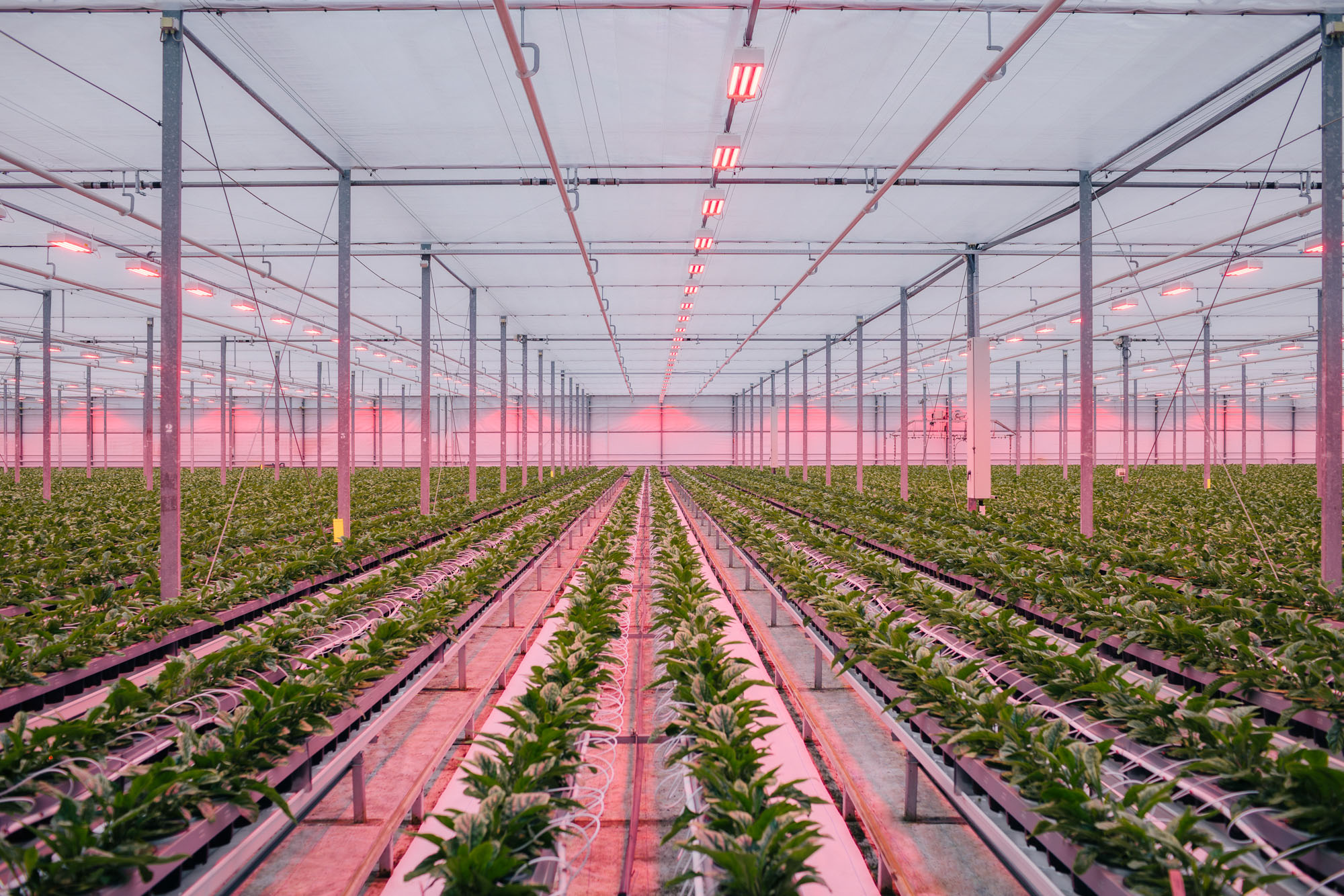
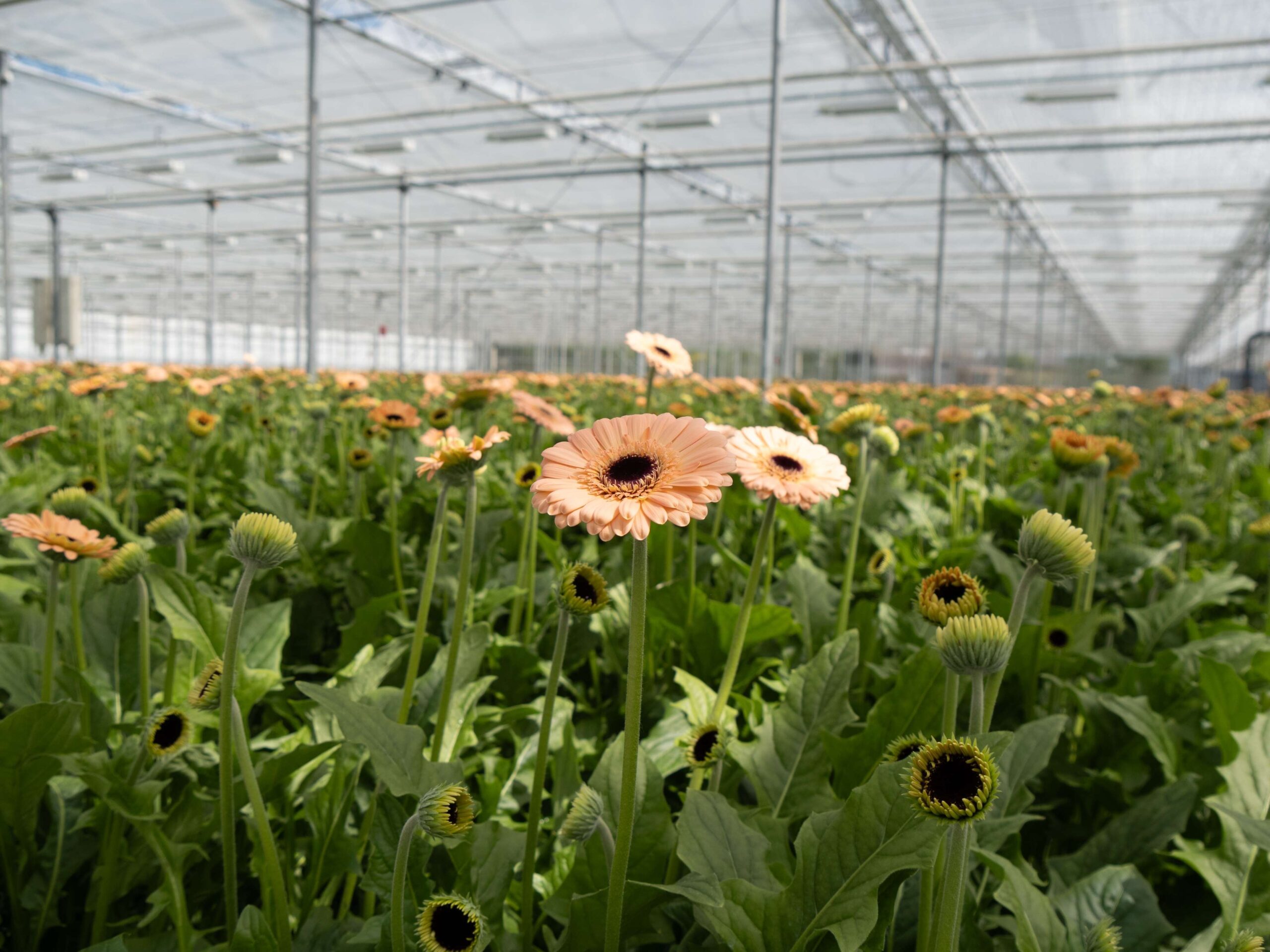
EveryD Flowers, one of the larger gerbera producers in the Netherlands, is expanding with a new location, increasing its total greenhouse area to 16 hectares. The former Roseworld nursery has been fully converted for gerbera cultivation and is now in full production. For the lighting project, EveryD once again partnered with Orance Grow Light Architects, which also supported the company in previous expansions and adjustments. Together, they focused on creating a future-proof strategy for lighting, energy management and cultivation.

From roses to gerberas
The expansion was driven by the need for additional production capacity. In recent years, production volume within growers’ association Colours of Nature had declined, while market demand remained stable. For EveryD, expansion was therefore necessary to maintain sufficient scale and supply reliability.
The acquired location was a former rose nursery and already featured LED lighting. However, it soon became clear that the existing installation was not ideally suited for gerbera cultivation. The fixtures were not positioned optimally, the spectrum could not be controlled, dimming was not possible, and the existing far-red spectrum offered no clear added value for gerberas.
“There was already LED and HPS lighting installed. The HPS lighting had to be removed, but then the light distribution would no longer be optimal. We also discovered that the existing LED installation was less suitable and therefore less efficient for gerbera cultivation. That’s why we ultimately decided to replace the entire lighting system,” says Peter Barendse, responsible for quality and crop protection at EveryD Flowers.
An existing greenhouse requires new decisions
The renovation turned out to be more extensive than initially expected. Once the rose crop had been removed from the greenhouse, outdated installations and deferred maintenance became visible. The cultivation system had to be modified, the screen installation had to be expanded, the structure required reinforcement, insect netting was added, and the irrigation system also proved to require replacement.
“When you build a new greenhouse on an empty plot of land, you can estimate much more accurately in advance what will be needed,” says Ronald van Veen, CEO of EveryD Flowers. “With an existing nursery, you keep discovering new things along the way. One thing leads to another.”
The existing lighting installation was reassessed critically. Initially, the plan was to keep the existing LED installation, but together with Orance, several scenarios were developed and financially evaluated. In the end, investing in a completely new LED lighting system proved to be the best choice both technically and economically.
The right decision requires a complete overview
According to Arno Wartewig, co-owner of Orance, that is exactly where the challenge of these types of projects lies. An existing installation may appear usable at first glance, but it was designed for a different crop and a different cultivation strategy.
“You may still be able to cultivate gerberas with it, but the question is whether you will be producing optimally and efficiently in the years ahead,” says Arno. “If you realize after two years that the fixtures still need to be replaced, you’ll be facing a much bigger challenge. In this case, the greenhouse was already empty and production had stopped. You won’t get a better moment than that.”
Orance combined technical, cultivation and economic insights throughout the process. Factors such as light levels, uniformity, spectrum, dimming capabilities, energy consumption, flexibility, investment costs and payback time were all taken into consideration.
From selecting a supplier to defining a lighting strategy
EveryD had already worked together with Orance on several LED projects in the past, but the market continues to develop rapidly. Fixtures from just a few years ago have already been overtaken by new generations offering higher efficiency, more control options and greater flexibility in energy management. For Ronald and Peter, that was an important reason to involve Orance again in this project.
“There are so many suppliers in the LED market. We can no longer keep up with all those developments ourselves, so it’s almost impossible for us to make that decision independently,” says Ronald.
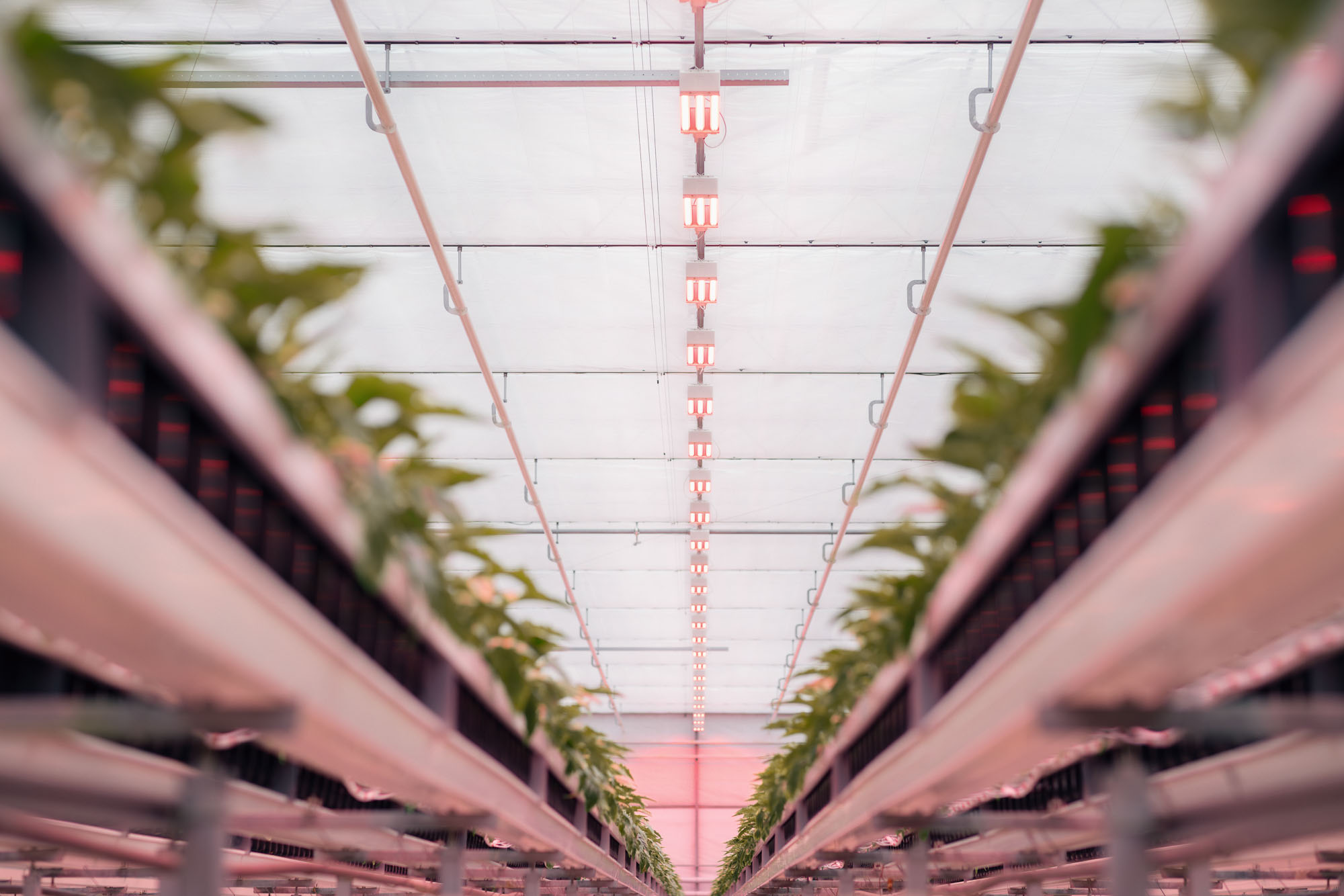
Ultimately, EveryD chose a dimmable three-channel fixture from DLI, allowing the company to control both light spectrum and intensity.
According to Arno, the role of LED lighting continues to evolve. While LED was initially driven mainly by energy savings, operational flexibility is now becoming just as important. “Growers need to be able to respond to fluctuating energy prices and changing market conditions. That requires a lighting installation that can be adjusted far more dynamically.”
Technology must remain practical
Flexibility also introduces new challenges. More technology means more software, more data, and a greater need for knowledge within the company. According to Arno, modern horticulture is therefore becoming increasingly specialized.
“In the past, lighting was basically just on or off,” says Ronald. “Now we are managing dimming, spectrum and energy usage. We have introduced so many tools into the greenhouse that Artificial Intelligence will soon become almost essential for managing everything optimally.”
At EveryD, this increasing level of technological integration is part of a broader professionalization of the company. “You have to keep evolving,” Ronald explains. “The younger generation is often very comfortable working with these kinds of systems. The great thing is that developments like these also make modern horticulture more attractive and challenging for young people. I really enjoy seeing that, and it gives me energy as well.”
Investing in flexibility and future-proof cultivation
For EveryD, this was already the fifth project completed together with Orance. According to Ronald, the added value mainly lies in the fact that Orance speaks the grower’s language and is able to translate technical information into the practical impact on cultivation and business operations.
“They help us navigate all the different options,” says Peter. “You don’t want to choose the party that shouts the loudest, but the solution that is reliable in the long term and truly fits your cultivation strategy.”
For EveryD, this investment is therefore not just about new fixtures, but about future-proofing the entire operation surrounding energy, lighting and cultivation.
With the new location, EveryD expands to nearly sixteen hectares of total greenhouse area. At the same time, this project represents more than just an increase in scale. According to Ronald, the real value lies in the combination of efficient energy management, flexibility and future-proof technology. “The energy setup at this location is the strongest of all our sites,” he says. “Flexibility is really the key word. You need to be able to supply energy when prices are high and import energy when there is an oversupply.”
According to Arno, this will only become more important in the years ahead. “Production costs continue to rise. Ultimately, using energy efficiently will become essential to remain profitable.”
What started as an existing rose nursery has evolved into a modern gerbera greenhouse where lighting, energy and cultivation strategy have been fully realigned. For EveryD, the location therefore represents not only additional production capacity, but above all another step toward a more efficient and future-proof way of growing.